Sensenich Propeller – P/N 74DM6-0-60
The Sensenich Propeller – P/N 74DM6-0-60
The shortened Sensenich 74DM6 Propeller description can improve search visibility, while the complete part number should remain available for technical review.
A Sensenich Fixed-Pitch Propeller may also be categorized as a Sensenich Aluminum Propeller or Fixed-Pitch Aluminum Propeller when the exact material and configuration are confirmed.
A Lycoming O-320 Propeller may only be appropriate for selected engine and airframe combinations, even when the basic engine family appears compatible.
The Certified Aircraft Propeller description should distinguish the approved propeller design from the current serviceability and installation eligibility of the individual unit.
Understanding the 74DM6-0-60 Model Number
The complete propeller designation should be verified through the manufacturer data plate, hub markings, blade markings, serial number, original records, packaging labels, photographs, and available Sensenich technical information.
The serial number should match all supplied invoices, manufacturer documents, inspection records, and release paperwork.
Separating Storage History from Serviceability
Transparent history helps buyers understand the difference between unused status and current installation readiness.
The propeller should be inspected even when it remains inside original packaging because temperature changes, condensation, impact, chemical exposure, and shifting during transport can affect condition.
Understanding Fixed Blade Geometry
Correct matching protects the engine, propeller, and aircraft from unsuitable loading or operation.
Diameter influences ground clearance, tip speed, aerodynamic load, and airframe compatibility.
Inspecting the Sensenich Aluminum Propeller
Metal construction does not eliminate the possibility of fatigue, corrosion, impact damage, improper material removal, dimensional loss, or storage deterioration.
Harsh cleaners, abrasive pads, unapproved polishing, and uncontrolled sanding should be avoided because they may damage the finish or alter blade surfaces.
74-Inch Aircraft Propeller Dimensions
Any authorized diameter reduction should appear in the propeller markings and maintenance records.
Professional measurement supports the responsible use of the 74-Inch Aircraft Propeller.
Blade Pitch and Engine Loading
Pitch influences theoretical forward movement, engine loading, achievable RPM, climb behavior, and cruise characteristics.
A blade-to-blade pitch difference can contribute to vibration, reduced efficiency, and unequal aerodynamic loading.
Lycoming O-320 Propeller Compatibility
A propeller approved for one O-320-powered aircraft may not be approved for another aircraft using a different engine variant, airframe, spinner, or installation configuration.
The mounting flange, pilot fit, bolt pattern, spacer arrangement, and spinner components should also match the receiving installation.
Protecting the Matched Two-Blade Design
Blade comparison should include the faces, backs, roots, leading edges, trailing edges, tips, and hub transitions.
Unexplained grinding, drilling, filing, material removal, or attached weights should receive professional review.
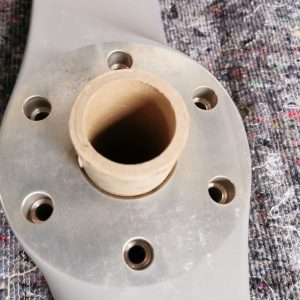
Evaluating Mounting Holes and Surfaces
Detailed hub inspection helps verify the stated condition.
A propeller-only listing may require additional hardware before installation can begin.
Checking a New Sensenich Propeller
A propeller should not be assumed free from defects solely because it has never been operated.
Suspicious areas should be examined carefully after the wrapping is removed using appropriate handling procedures.
Identifying Moisture-Related Damage
Aluminum propellers can develop corrosion after exposure to moisture, condensation, coastal air, chemicals, damaged coatings, or unsuitable storage materials.
Protective covers should prevent contamination and impact without encouraging condensation around the aluminum.
Understanding Approved Propeller Design
Certified design status does not automatically establish the present serviceability, airworthiness, or installation eligibility of an individual propeller.
Installation eligibility depends on the exact aircraft, engine, configuration, approved data, and applicable maintenance requirements.
Maintaining Aircraft Propeller History
The serial number should match every manufacturer record, inspection tag, shipping document, and release certificate.
Documentation associated with a planned aircraft installation does not independently approve another aircraft application.
Pre-Purchase Inspection Checklist
A pre-purchase review should confirm the complete model, serial number, diameter, pitch, blade count, hub configuration, mounting pattern, manufacturing information, storage history, physical condition, applicability, and documentation.
- Request clear photographs of the data plate, blade faces, blade backs, leading edges, trailing edges, tips, hub, mounting face, bolt holes, packaging, and storage supports.
- Inspect or document the diameter, pitch, blade symmetry, finish condition, corrosion, pitting, scratches, dents, cracks, coating damage, tip shape, mounting holes, and hub surfaces.
- Require packaging that protects the blades, tips, edges, hub, data plate, mounting face, bolt holes, factory finish, records, and included hardware from impact, abrasion, moisture, and movement.
Aircraft Propeller Crating Requirements
The unit should not rest against hard surfaces that concentrate loads on a blade edge or tip.
Pre-shipment photographs can document the blades, hub, packaging, identification, and included parts before collection.
Long-Term Aluminum Propeller Storage
Responsible storage preserves the future usefulness of the Aluminum Aircraft Propeller.
Periodic inspection can identify developing corrosion, packaging damage, coating defects, or mishandling.
Installing the Sensenich 74DM6-0-60
Incorrect bolts, unsuitable washers, damaged threads, or improvised spacers should not be used.
Spinner components should maintain suitable alignment, attachment, and clearance without causing stress or imbalance.
After installation, technicians should verify security, propeller clearance, blade tracking, spinner alignment, hardware condition, and surrounding aircraft components before starting the engine.
Caring for the Fixed-Pitch Aluminum Propeller
Routine maintenance should include inspection of blade faces, backs, leading edges, trailing edges, tips, hub, mounting hardware, spinner components, blade tracking, finish, and signs of corrosion or movement.
Recurring vibration should prompt review of the propeller, spinner, engine mounts, flange, ignition system, and engine condition.
Buying P/N 74DM6-0-60
Original packaging can improve presentation and provenance but does not replace click here physical examination.
Buyers should compare complete and documented propeller packages rather than price alone.
New, Never Installed
The Sensenich Propeller – P/N 74DM6-0-60
The propeller should be evaluated with the receiving aircraft’s Lycoming engine, flange, spinner, operating limitations, clearances, and approved installation requirements in mind.
Whether the requirement is a Sensenich Propeller P/N 74DM6-0-60, Sensenich 74DM6 Propeller, or 74DM6-0-60 Aircraft Propeller, exact identification should guide the purchase.
With responsible purchasing, dimensional verification, corrosion and damage inspection, correct hardware, tracking, and balance evaluation, the component can remain a valuable aviation asset.